Midwest grid operator proposes a 120-day fast track for big power users that bring new generation
MISO, which runs the grid in 15 states, has asked federal regulators to approve a quick study for large new loads paired with new power plants. It wants a decision by December 2 so the first study period can start in early 2027.
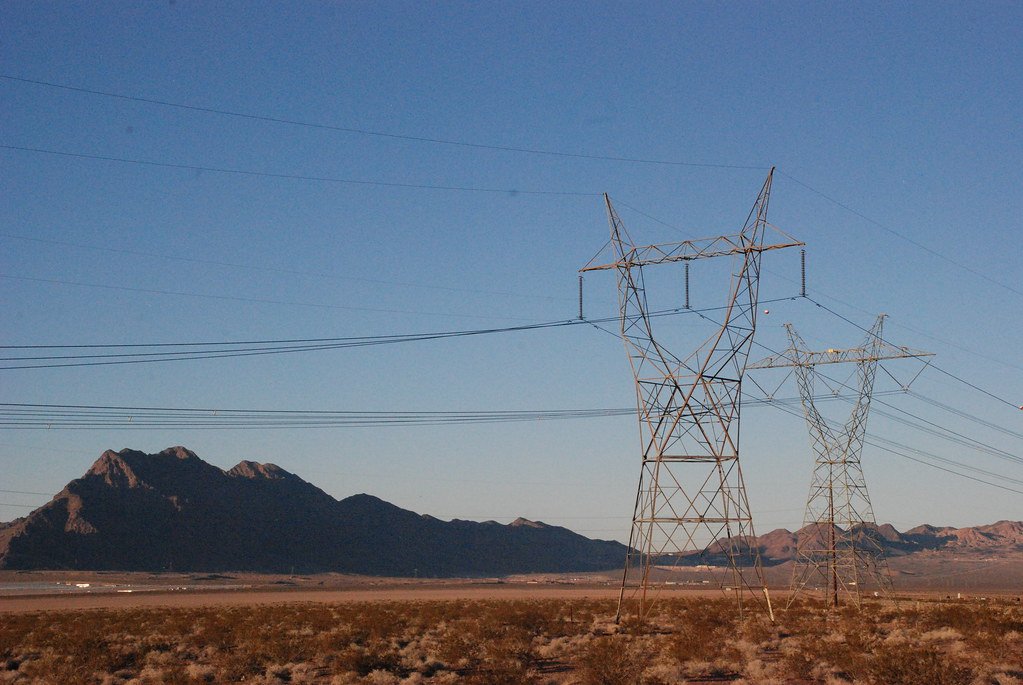
The grid operator for much of the central United States wants a faster way to connect very large power users. MISO runs the power markets and transmission system in 15 states, from Louisiana to Minnesota. On October 2 it asked the Federal Energy Regulatory Commission (FERC) to approve a 120-day study for big new loads that arrive together with new power plants to serve them.
The process is called the Large Load Addition Resource Study, or LARS. It would be open to loads of more than 200 megawatts paired with generation in the same local zone. MISO has 10 such zones, which roughly follow state lines. It plans three study periods a year and would study up to 10 applications. Applicants would pay nonrefundable deposits, meant to keep out speculative projects.
The power plant and the load would both have to be running within three years of applying, and stay paired for at least 15 years. MISO says studying the two together should produce cheaper grid upgrades. It says projects already waiting in its regular connection queue would not be affected. MISO expects demand to grow 1% to 3% a year through 2044. It asked FERC to decide by December 2 so the first study period can start in early 2027.
Why it matters
A grid operator is building a fast lane for large users that bring new power with them instead of leaning on what is already there. The 15-year pairing rule would tie a data center to its power plant for the long run. If approved, it rewards self-supply with speed.
Reality check
This is only a proposal, and FERC has not ruled. The generation only has to be in the same zone, which is often a whole state, so this is not the same as on-site power. The article gives no deposit amounts and does not say who pays for grid upgrades, and only a limited number of projects would get in.
Source Utility Dive